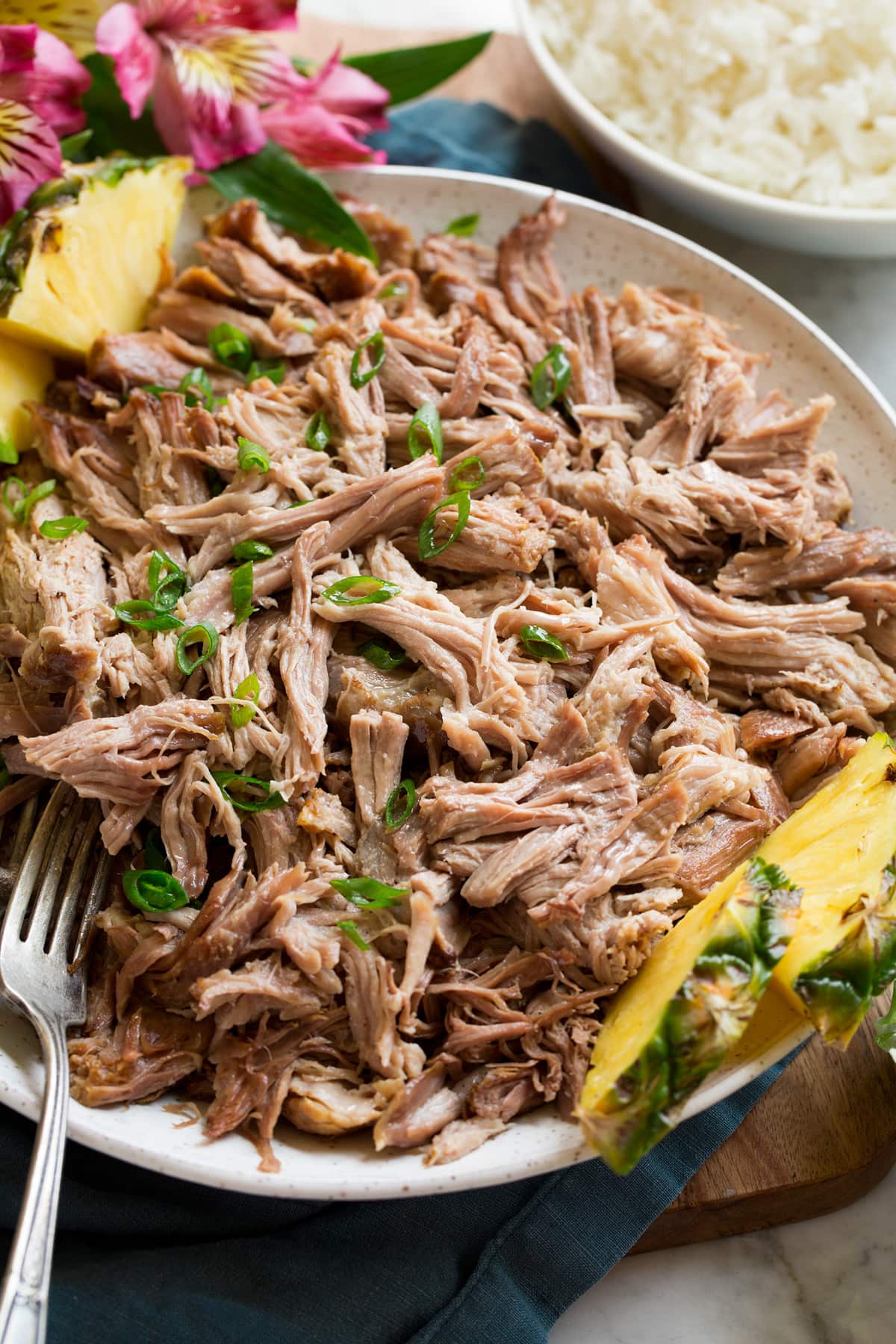
Crock Pot, Instant Pot, Oven: Your Easy Guide to Kalua Pork
Few dishes evoke the spirit of the Hawaiian islands quite like kalua pork. The tender, smoky, melt-in-your-mouth meat is the undisputed star of any luau, a culinary tradition that transports you straight to paradise with every bite. But what if you crave those authentic island flavors without the need for a plane ticket or, more importantly, an underground oven? The good news is, recreating that delicious, smoky Easy Kalua Pork: No Imu Needed for Authentic Hawaiian Flavor experience at home is not only possible but surprisingly simple, thanks to modern kitchen appliances like your Crock Pot, Instant Pot, or even just your regular oven. Get ready to bring the aloha spirit to your dinner table!Understanding Kalua Pork: From Imu to Home Kitchen
At its heart, traditional Hawaiian kalua pork is a testament to patience and simple, quality ingredients. The word "kalua" itself means "to cook in an underground oven" (imu). Historically, a whole pig would be seasoned with a generous rub of Hawaiian sea salt (specifically alaea salt, which is infused with volcanic red clay), then slow-cooked for many hours in an imu, covered with hot rocks, leaves, and dirt. This ancient method imparts an incredible smokiness and renders the pork unbelievably tender and juicy. For the home cook, replicating this exact process is, understandably, impractical. Most of us don't have the time, space, or tools to dig an imu in our backyard! However, over time, clever adaptations have emerged that capture the essence of this beloved dish. The key lies in mimicking the three pillars of traditional kalua pork: slow cooking for supreme tenderness, a distinct smoky flavor, and the essential salty seasoning. We achieve the smokiness by adding a touch of liquid smoke, a widely accepted and highly effective technique that delivers that characteristic wood-fired aroma without the actual fire. Combined with the right cut of pork and plenty of time, you can achieve a truly authentic taste that will impress everyone.The Essential Ingredients for Authentic Flavor
Making truly delicious kalua pork at home requires just a handful of ingredients, focusing on quality and purpose.- Pork Shoulder (or Pork Butt): This is the hero of your dish. While technically different cuts (pork butt comes from the upper part of the shoulder, pork shoulder from the lower), they are very similar and interchangeable for this recipe. Both are tough cuts perfect for slow-cooking, breaking down connective tissue to become incredibly tender. When shopping, look for a cut that is generously marbled with fat. This marbling is crucial; it renders down during cooking, self-basting the meat and ensuring it remains moist, flavorful, and succulent. Don't trim too much fat before cooking, as it contributes significantly to the final texture and taste.
- Hawaiian Sea Salt (Alaea Salt): For the most authentic flavor, Hawaiian alaea salt is ideal. Its mineral content and slightly earthy flavor complement the pork beautifully. However, if you can't find it, a good quality coarse kosher salt is an excellent substitute. The key is to use enough salt – this dish is meant to be well-seasoned, as much of the flavor comes from it.
- Liquid Smoke: This is your secret weapon for replicating that deep, earthy, imu-like smokiness. A little goes a long way, so use it judiciously. We recommend a natural liquid smoke, typically made from condensed wood smoke. It's safe, common, and effective.
- Banana Leaves (or Ti Leaves/Heavy-Duty Foil): While not strictly an ingredient you consume, banana or ti leaves play a vital role in traditional cooking by wrapping the pork, locking in moisture, and infusing a subtle, unique aroma. If fresh banana or ti leaves are hard to find, heavy-duty aluminum foil works wonders to create a tightly sealed packet that traps all the steam and juices, ensuring your pork stays incredibly moist.
Choosing Your Cooking Method: Crock Pot, Instant Pot, or Oven?
The beauty of homemade kalua pork lies in its adaptability. Each cooking method offers distinct advantages, allowing you to choose based on your schedule, equipment, and personal preference, all while yielding that signature tender, juicy result.The Crock Pot (Slow Cooker): The "Set It and Forget It" Champion
If your schedule is packed but you still want a phenomenal dinner waiting for you, the slow cooker is your best friend. This method requires minimal hands-on time, making it perfect for busy weekdays or when you're entertaining and want to focus on other preparations. Simply prepare your pork in the morning, place it in the slow cooker, and let it work its magic all day.
- Process: Rub your pork shoulder generously with Hawaiian salt and a few drops of liquid smoke. If using banana leaves, line your slow cooker, place the pork in, and wrap it securely. Otherwise, just place the pork directly in the pot. A small amount of water or broth (1/4 to 1/2 cup) can be added to the bottom to prevent burning and generate steam.
- Cook Time: Typically 8-10 hours on low or 5-6 hours on high, until the pork is fall-apart tender.
- Pros: Extremely convenient, requires very little attention, consistently yields moist results.
- Cons: Longest cooking time of the three methods.
The Instant Pot (Pressure Cooker): Speed and Efficiency
When time is of the essence, the Instant Pot (or any electric pressure cooker) is an absolute game-changer. It transforms tough cuts of meat into incredibly tender masterpieces in a fraction of the time it takes in a slow cooker or oven, making authentic kalua pork accessible even on weeknights when you're short on time.
- Process: Season your pork as described above. Place it on a trivet in the Instant Pot with 1 cup of water or chicken broth. Again, if using banana leaves, wrap the pork tightly.
- Cook Time: Around 60-90 minutes on high pressure, followed by a natural pressure release. This significantly cuts down cooking time compared to other methods.
- Pros: Fastest method, perfect for last-minute cravings or busy evenings, still delivers exceptional tenderness.
- Cons: Requires more monitoring during the initial pressure-building phase.
The Oven: The "Traditional Home" Method
For those who prefer a more hands-on, traditional home-cooking approach, or perhaps a slight crisping of the exterior, the oven method is a fantastic choice. Many "tutus and aunties" (grandmothers and aunties in Hawaiian culture) perfected their kalua pork in the oven, creating a beloved staple. The key here is to create a tight seal to mimic the steamy environment of an imu, which ensures moisture retention.
- Process: Heavily season your pork. Wrap it tightly in ti leaves or several layers of heavy-duty aluminum foil to create a sealed packet. Place the wrapped pork in a roasting pan or Dutch oven. A small amount of liquid (water or broth) in the bottom of the pan, outside the foil packet, can help create more steam in the oven.
- Cook Time: Approximately 6-8 hours at a low temperature (around 300-325°F / 150-160°C), or until it easily shreds.
- Pros: Allows for a nice caramelization on the exterior if desired (by opening foil for the last hour), a familiar cooking method for many.
- Cons: Requires more oven space, can dry out if not wrapped properly.
Tips for the Perfect Kalua Pork Every Time
Achieving the perfect, fall-apart tender kalua pork is simple with a few insider tips:- Don't Skimp on Salt: This is a heavily seasoned dish, and the salt is crucial for flavor and moisture. Rub it generously into every crevice of the pork. Think like you're seasoning a whole pig for an imu!
- Embrace the Fat: That beautiful marbling and fat cap on your pork shoulder are your friends. They render down, keeping the meat moist and adding incredible flavor. Don't trim excessively.
- The Power of the Packet: Whether it's banana leaves, ti leaves, or heavy-duty foil, creating a tightly sealed environment is paramount. This traps all the steam and juices, ensuring your pork stays incredibly tender and flavorful. It’s like creating a mini imu right in your kitchen.
- Let it Rest: Once cooked, allow the pork to rest for at least 15-20 minutes (or even longer if still in the cooking vessel) before shredding. This allows the juices to redistribute, resulting in more succulent meat.
- Shredding Technique: Use two forks to shred the pork directly in its cooking liquid. This ensures every strand is infused with flavor and moisture. Discard any large pieces of fat or bone.
- Adjusting Liquid Smoke: Start with a small amount (e.g., 1/2 teaspoon) and taste after shredding. You can always add a few more drops and mix it in if you desire a stronger smoky flavor.
Serving Your Homemade Kalua Pork
While delicious on its own, kalua pork truly shines when served alongside traditional Hawaiian accompaniments. Locals often enjoy it with:- Lomi Salmon: A refreshing salsa-like side made with diced salmon, tomatoes, and onions. Its bright, acidic notes cut through the richness of the pork beautifully.
- Poi: A staple made from mashed taro root. Its mild, slightly tangy flavor provides a neutral counterpoint to the savory pork.
- Chicken Long Rice: A comforting, clear noodle soup with chicken and ginger.
- Squid Luau: A unique dish featuring taro leaves cooked down with coconut milk and squid (or chicken).
- Steamed White Rice: An essential for soaking up all those delicious, salty juices and balancing the rich flavors. Many people, including ourselves, find the combination of Get That Luau Taste: Smoky, Tender Kalua Pork Made Easy with rice and lomi salmon to be an irresistible trio.
