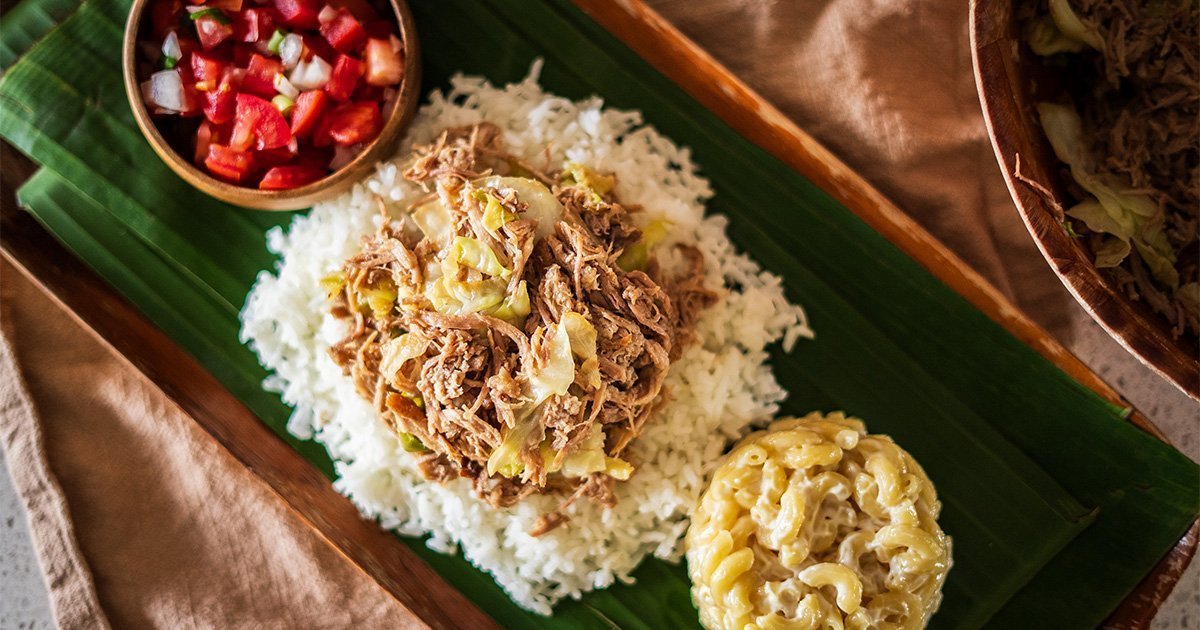
Imagine a culinary journey to the heart of Hawaii, where smoky aromas mingle with the sweet scent of tropical blooms. At the center of this sensory experience is a dish revered above all others: Kalua Pork. This iconic Hawaiian delicacy, known for its incredibly tender, fall-apart texture and distinct smoky flavor, is the soul of any traditional luau. For generations, it has been a symbol of celebration and communal feasting, traditionally prepared in an underground oven known as an imu.
But what if you could capture that authentic, mouth-watering taste without needing a whole pig or digging a pit in your backyard? Good news: you absolutely can! This comprehensive guide will show you how to recreate the magic of Kalua Pork in your own kitchen, using readily available ingredients and common cooking appliances. Get ready to impress your guests, transport your taste buds, and discover just how easy it is to achieve that luau taste at home.
What is Kalua Pork? A Timeless Hawaiian Tradition
At its core, Kalua Pork is more than just a dish; it's a cornerstone of Hawaiian culture and gastronomy. Originating from ancient Polynesian traditions, "Kalua" literally means "to cook in an underground oven." The traditional preparation is an event in itself:
- A whole pig is seasoned generously with Hawaiian sea salt, specifically alaea salt, known for its unique reddish hue and earthy flavor.
- The seasoned pig is then carefully placed in an imu, a pit dug into the earth, lined with hot rocks.
- The imu is covered with banana leaves, wet burlap, and soil, creating a natural pressure cooker that slow-cooks the pig for many hours, sometimes overnight.
This laborious process results in meat that is unbelievably tender, deeply smoky from the earth and wood, and infused with the subtle sweetness of the banana leaves. It’s the undisputed star of any luau, a dish so central that, as many locals will attest, it's served at virtually every significant gathering, from weddings to baby's first luaus. The experience of tasting authentic Kalua Pork in Hawaii, with its melt-in-your-mouth tenderness and savory depth, is unforgettable.
However, replicating this experience at home doesn't require such grand efforts. Modern techniques allow home cooks to achieve remarkably similar results, capturing that signature smoky, salty flavor and tender texture without the need for an underground pit.
Crafting Authentic Flavors: Essential Ingredients for Home Kalua Pork
The beauty of homemade Kalua Pork lies in its simplicity. With just a few key ingredients, you can unlock those bold island flavors:
Choosing Your Pork: The Foundation of Flavor
- Pork Shoulder (Pork Butt): This is your primary ingredient. While "pork butt" comes from the upper part of the shoulder and "pork shoulder" from the lower, they are very similar cuts and can be used interchangeably for Kalua Pork. The key is to look for a well-marbled piece of meat, meaning it has visible streaks of fat throughout. This fat is crucial; it slowly renders during the long cooking process, basting the meat from within, preventing it from drying out, and infusing it with incredible flavor and moisture, resulting in that coveted tender, juicy finish.
The Salt: More Than Just Seasoning
- Hawaiian Sea Salt (Alaea Salt): Traditionally, alaea salt is used. This unrefined sea salt is mixed with volcanic red clay (alaea), which gives it its distinctive color and a subtle earthy minerality that complements the pork beautifully. If you can't find alaea salt, high-quality coarse kosher salt is an excellent substitute. The generous application of salt is vital, not just for seasoning, but for drawing out moisture and creating a flavorful brine during cooking.
The Secret to Smokiness: Liquid Smoke
- Liquid Smoke: Since most home cooks don't have an imu, liquid smoke is the ingenious solution to replicate that deep, earthy, wood-fired aroma. A small amount goes a long way, imparting a concentrated smoky essence that perfectly mimics the traditional flavor profile without the actual smoke. It’s a proven and widely accepted technique among Hawaiian home cooks for achieving that authentic taste.
Sealing in Moisture: Banana Leaves, Ti Leaves, or Foil
- Banana Leaves or Ti Leaves: These tropical leaves are traditionally used to wrap the pork, imparting a subtle, almost grassy aroma and, more importantly, sealing in moisture and creating a natural steaming environment. If fresh leaves are hard to find, heavy-duty aluminum foil serves the same purpose of tightly wrapping the pork to trap moisture and steam.
Your Easy Guide to Kalua Pork: Cooking Methods for Every Lifestyle
The flexibility of modern kitchen appliances means you can achieve perfectly tender and smoky Kalua Pork without an imu, no matter your schedule. Each method offers a slightly different approach, but all deliver delicious results:
The Slow Cooker (Crock-Pot): Set It and Forget It
For those with a busy schedule, the slow cooker is a true friend. Its low, consistent heat is ideal for breaking down tough cuts of meat like pork shoulder into succulent shreds. Simply season your pork, add your liquid smoke, wrap it in leaves or foil, and place it in the slow cooker with a splash of water or broth. Let it simmer for 8-10 hours on low, and you'll return home to a kitchen filled with tantalizing aromas and fork-tender meat ready for dinner. It's the ultimate hands-off method for delicious Kalua Pork.
The Instant Pot: Speed and Efficiency
When time is of the essence, the Instant Pot or any pressure cooker becomes your ally. This appliance can cook your pork in a fraction of the time it takes in a slow cooker or oven, yet it still yields incredibly tender and juicy results. The high-pressure environment forces moisture deep into the meat, ensuring it’s falling apart in just 60-90 minutes (plus natural release time). It’s perfect for those spontaneous luau cravings or when you’re short on time but refuse to compromise on flavor and texture.
The Oven: A Home Cook's "Traditional" Approach
While not an imu, cooking Kalua Pork in the oven offers a comforting, almost ritualistic experience. Many local "tutus" (grandmothers) and "aunties" have perfected this method over the years, carefully tending to their pork as it slow-roasts. The key here is to tightly wrap the seasoned pork in banana leaves, ti leaves, or several layers of heavy-duty foil. This creates a steamy, moist environment similar to the imu, preventing the meat from drying out and allowing the flavors to meld beautifully. You’ll bake it at a low temperature for several hours, similar to the slow cooker in concept, but with the added satisfaction of monitoring its progress in your oven.
Serving Your Homemade Kalua Pork: Beyond the Luau
Once your Kalua Pork is cooked to perfection – succulent, shreddable, and wonderfully smoky – the next question is, how do you serve it? While it's certainly delicious on its own, traditional Hawaiian accompaniments elevate the experience and create a balanced meal:
- Lomi Salmon: This fresh, vibrant salad of diced tomatoes, onions, and salted salmon provides a delightful bright, tangy contrast to the rich, savory pork. The coolness and acidity cut through the meat's richness beautifully.
- Poi: Made from mashed taro root, poi is a staple with a unique, slightly sour flavor and sticky texture. It's a traditional complement that balances the saltiness of the pork.
- Rice: A simple scoop of steamed white rice is a neutral, comforting base that soaks up all the delicious juices and helps even out the pork's robust flavors.
- Chicken Long Rice & Squid Luau: These are other popular luau dishes that often accompany Kalua Pork, offering additional textures and flavors to the spread.
Beyond tradition, the versatility of Kalua Pork makes it a fantastic ingredient for a myriad of modern dishes. Think Kalua Pork tacos, sliders with pineapple slaw, loaded nachos, or even as a flavorful topping for salads and baked potatoes. Its bold taste makes it a star in any culinary creation.
Tips for Kalua Pork Perfection
- Don't Trim All the Fat: As tempting as it might be, leaving a good amount of fat on your pork shoulder is essential. It renders down, keeping the meat moist and infusing it with maximum flavor. You can always skim off excess fat after cooking.
- Generous Seasoning: Be bold with the Hawaiian salt. The large cut of meat needs ample seasoning to flavor it throughout. Don't be shy!
- Shredding Made Easy: Once cooked, the pork should be so tender that it practically falls apart. Use two forks to shred it directly in the pot, mixing it with the flavorful cooking liquid to reabsorb all those juices. For larger batches, a stand mixer with the paddle attachment can shred the pork in seconds.
- Resting is Key: Like any slow-cooked meat, allowing the pork to rest for 15-30 minutes after removing it from the heat (still wrapped) allows the juices to redistribute, resulting in even more tender and flavorful meat.
Making the perfect Kalua Pork can be a fun and creative process, allowing you to customize it to suit your taste. Whether you're a seasoned chef or a kitchen novice, embracing these techniques will allow you to create a dish that's truly special.
Bringing the taste of Hawaii into your home with smoky, tender Kalua Pork is a deeply rewarding culinary experience. From its ancient origins in the imu to its modern adaptations in your slow cooker, Instant Pot, or oven, this dish truly embodies the spirit of aloha. With just a few simple ingredients and techniques, you can recreate that authentic, melt-in-your-mouth flavor that has graced Hawaiian luaus for centuries. So go ahead, gather your ingredients, pick your cooking method, and get ready to enjoy a taste of paradise that's made easy, right in your own kitchen.
